Cultural Identity After Years Abroad: Finding Home In Two Worlds
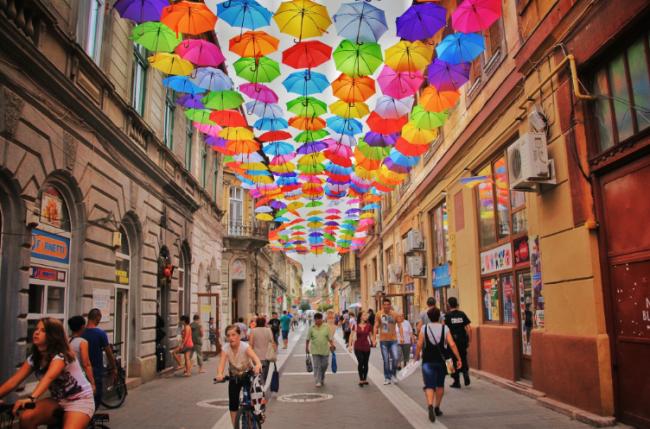
Leaving a familiar country for another often starts as a practical leap: visas, rent, new job, new streets. Yet over time the outward adventure turns into an inward puzzle about belonging. A passport keeps one nationality, while daily routines begin to speak with a blended accent. Cultural identity no longer feels like a single flag; it comes to resemble a well-traveled suitcase lined with stickers from many stations.
During that early adjustment, digital lifelines matter as much as physical ones. Many overseas residents track hometown news, recipes, or holiday broadcasts through privacy tools such as a duckduckgo proxy, making distance feel shorter and search results freer of tracking. Online shortcuts reinforce the idea that culture can follow wherever Wi-Fi reaches, even when everything else around looks new.
Gradually, subtle shifts appear in ordinary habits. Shopping hours, greeting customs, and local entertainment seep into muscle memory. The first language still sings inside the mind, yet borrowed phrases slip out at cafés without warning. Streets once confusing now seem mapped onto the feet. Culture proves elastic: it stretches to fit fresh surroundings without tearing away deeper roots.
Homesickness often mixes with curiosity, producing a unique in-between rhythm. A person abroad may cook childhood comfort food while planning a weekend hike pronounced with a local name. Old sayings mingle with new idioms; laughter arrives from unexpected directions. Friendships formed across borders create a small laboratory for testing assumptions about humor, politeness, and trust.
Long-term residents eventually weave professional tools into that evolving identity. Data-storage solutions like Floppydata may support cross-border projects, photo archives, and multilingual paperwork, showing how practical technology now partners with personal heritage. The growing archive of experiences tickets, documents, voice notes acts as both memory box and roadmap for further adaptation.
Habits That Transform First
Meal Timing Rewrites
Dinner hour slides earlier or later to match local schedules, leaving traditional family timing only for special weekends.
Politeness Scripts Update
New forms of greeting, queuing, and small talk replace some inherited reflexes without conscious effort.
Sense Of Distance Shrinks
After navigating foreign transit, the concept of “far” changes; extra kilometers stop feeling intimidating.
Problem-Solving Style Shifts
Local bureaucracy teaches fresh patience—or faster improvisation—altering how obstacles are approached.
Celebration Mix-Ups Emerge
National holidays from home blend with adopted festivals, expanding the annual calendar in surprising ways.
These rapid adaptations show that identity begins with what the body does each day: eating, walking, waiting, and talking. Mindsets follow motion.
The Quiet Weight Of In-Between
Living abroad long-term creates a layered awareness. Returning to the birthplace can spark mild culture shock; jokes feel sharper, public spaces louder or quieter than remembered. Meanwhile, in the adopted country, accent and surname still label the newcomer. This double vision may sting at first, yet soon offers an underrated advantage: an instinct for reading multiple social maps at once.
Anchors That Hold Fast
Not every element bends. Certain pieces grow sturdier because distance sharpens value.
Mother Tongue’s Emotional Core
Even with advanced fluency in a second language, the original tongue frames childhood memories and private thoughts.
Family Rituals And Recipes
Smells of traditional dishes or seasonal songs gain extra warmth when recreated far from their birthplace.
Moral Touchstones
Early lessons about hospitality, honesty, or humor often guide choices more strongly after being tested abroad.
Hometown Landscape Memory
Rivers, hills, or subway maps from youth continue to surface in dreams and storytelling.
Cultural Pride As Introduction Card
Explaining heritage to new friends renews appreciation for festivals, crafts, and regional quirks once taken for granted.
These anchors stop identity from floating loose, allowing flexibility without erasure.
Language As An Internal Compass
Switching languages throughout the day can divide emotions into separate soundtracks. Compliments may feel easier in the adopted tongue; complaints might escape quicker in the native one. Over time, thought processes hop fences effortlessly, creating a mental courtyard where several vocabularies share coffee. The result is not confusion but richer nuance: some feelings finally find the exact word they always lacked.
Building A Personal Hybrid
Years abroad reveal that cultural identity is not a zero-sum contest. Instead, it behaves like a garden where new plants grow alongside old trees. Careful pruning keeps memories alive while making room for different colors and scents. The garden thrives on selection: keeping what nourishes, discarding what no longer fits.
Contemporary mobility suggests this hybrid model will grow common. International careers, online friendships, and blended families push identity beyond tidy boxes. Far from diluting heritage, such mixing can strengthen empathy, widen problem-solving skills, and encourage lifelong learning.
For anyone standing at a departure gate or already counting anniversaries abroad the lesson is reassuring. Identity can travel, adapt, and even bloom in foreign soil without losing its roots. The story offers room for nostalgia and novelty alike, stitched together with recipes, playlists, shared jokes, and passport stamps. A person may leave one hometown, yet eventually discover that home can stretch to meet every place the heart learns to pronounce.
*本文为付费商业信息,内容由客户提供
